
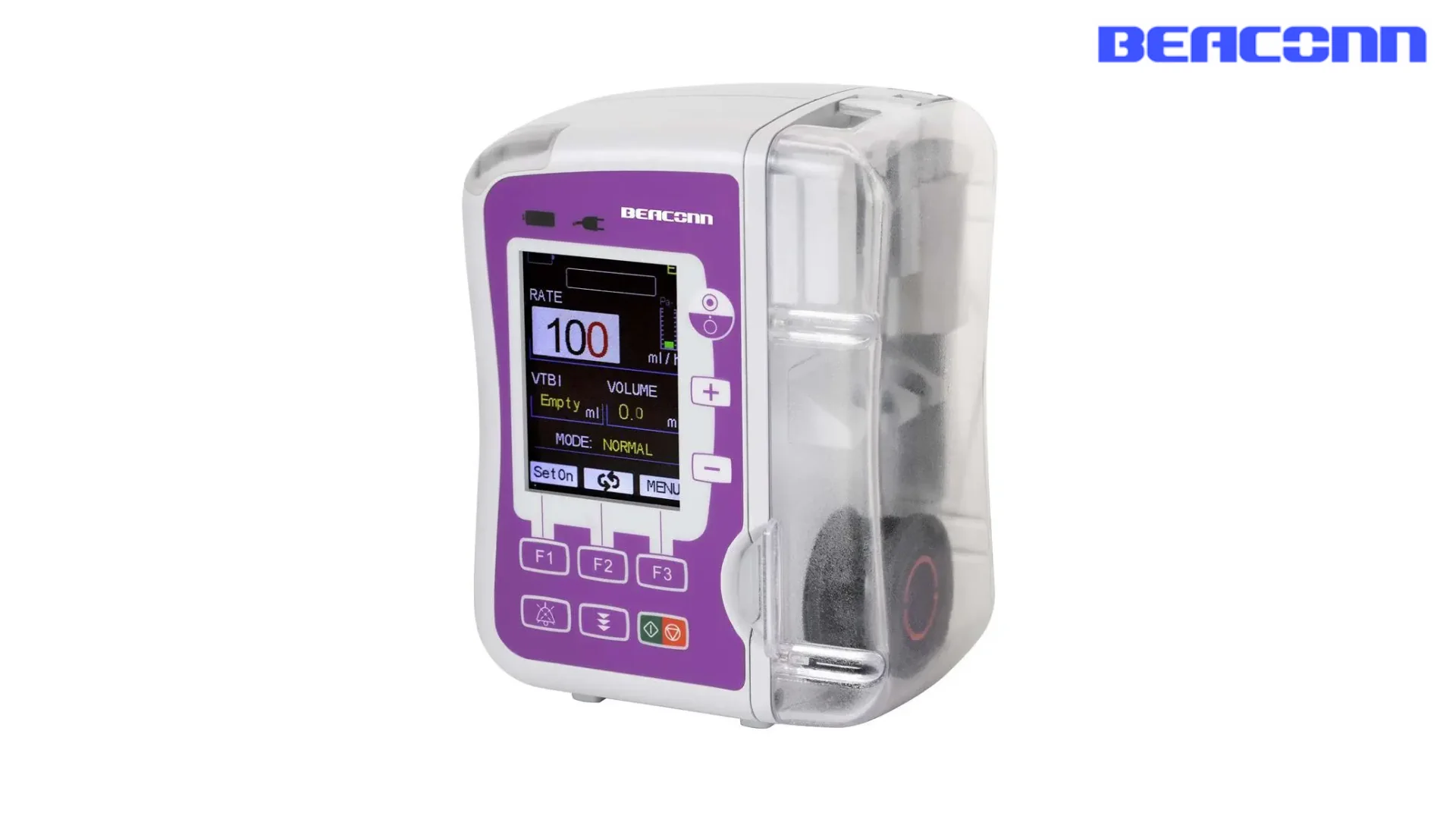

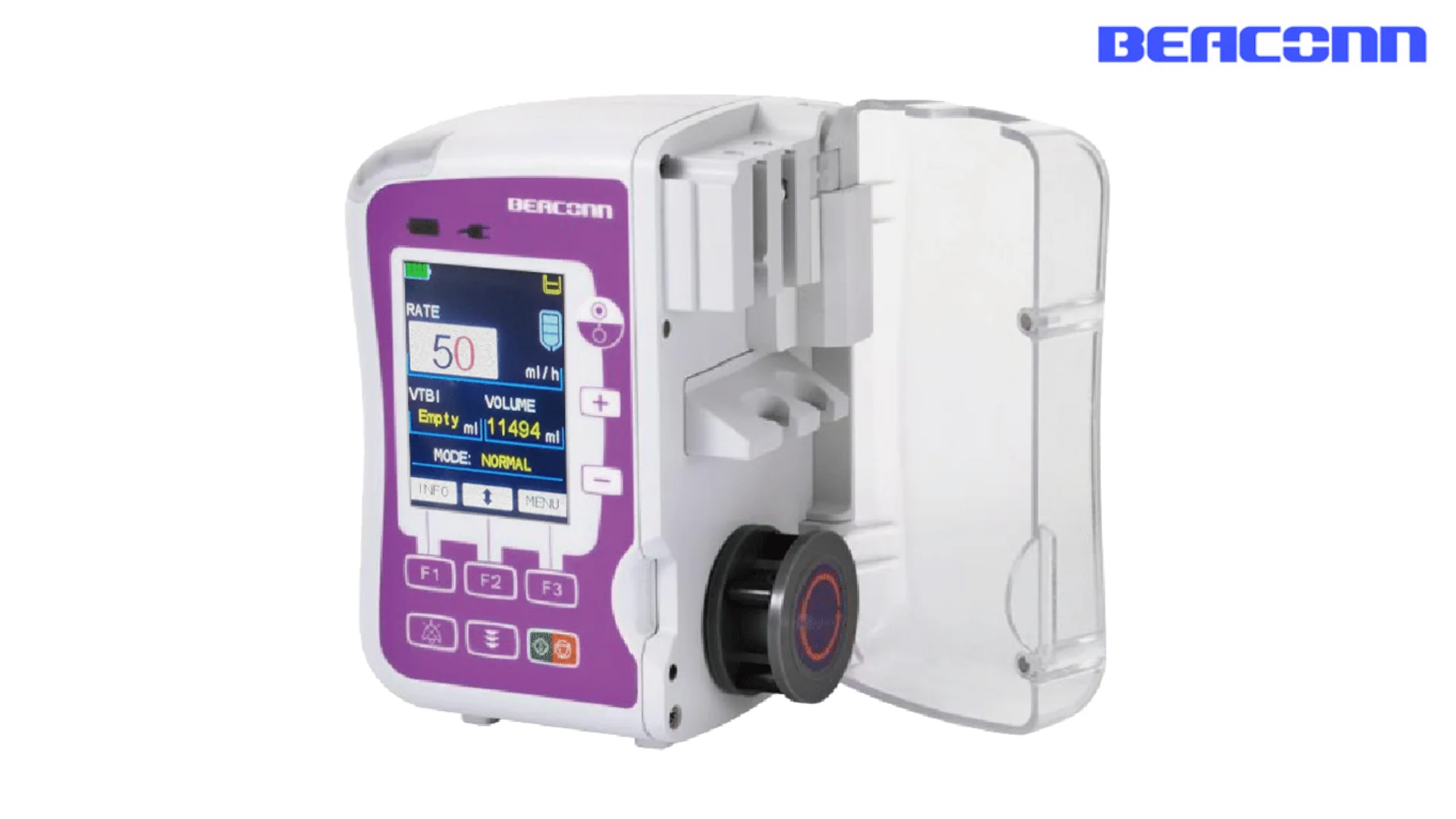
• 2.8-inch color display with button-operated interface
• Adjustable enteral feeding rate of 1–600 mL/h
• Continuous and intermittent feeding modes
• Double feeding bag support with automatic flushing
• Compact portable design weighing approximately 800 g
• Built-in battery with up to 15 hours of operation
An enteral feeding pump is a medical device designed to deliver liquid nutrition at a controlled and consistent rate to patients who cannot obtain sufficient nutrition orally but have a functioning gastrointestinal system. Enteral feeding pumps are widely used in hospitals, intensive care units, neonatal and pediatric departments, long-term care facilities, and appropriate home healthcare settings.
Modern enteral feeding pump systems support healthcare professionals in managing nutritional therapy efficiently through precise flow control, user-friendly interfaces, and advanced safety mechanisms. These devices are particularly valuable for patients requiring long-term enteral nutrition, helping maintain controlled and consistent nutritional delivery.
The primary function of an enteral feeding pump is to deliver liquid nutritional formulas at a prescribed flow rate and volume. Feeding solutions can be administered through appropriate enteral feeding sets using gastrointestinal access routes such as nasogastric tubes, gastrostomy tubes (PEG), or jejunostomy tubes.
Unlike traditional gravity-based feeding methods, enteral feeding pumps allow electronic control of nutritional delivery. This capability provides important advantages in applications requiring low flow rates and in prolonged feeding protocols.
Depending on the device model, parameters such as feeding rate, total delivery volume, and feeding duration can be adjusted. This flexibility enables healthcare professionals to establish individualized enteral feeding programs according to each patient's clinical requirements.
Precise Flow Rate Control: Enteral feeding pumps help maintain a predetermined feeding rate, supporting controlled and consistent implementation of nutritional protocols.
Programmable Feeding Parameters: Depending on the device specifications, parameters such as flow rate, target volume, and feeding programs can be configured to meet the requirements of different patient groups.
Alarm and Safety Systems: Modern pump systems may feature audible and visual alarms for conditions such as occlusions, feeding set flow problems, low battery levels, and completion of feeding. These systems help users recognize potential problems promptly.
User-Friendly Design: Digital displays, intuitive control panels, and accessible menus support convenient operation by healthcare personnel. Ergonomic designs improve usability in daily clinical practice.
Portability and Battery Support: Models equipped with rechargeable batteries can help maintain feeding operations during patient transfers or in suitable environments without direct electrical connections.
Feeding Set Compatibility: Enteral feeding pumps must be used with compatible feeding sets approved by the manufacturer. Selecting appropriate feeding sets is essential for delivery accuracy and safe device operation.
Enteral feeding pumps are medical devices suitable for various clinical environments and patient populations.
Intensive Care Units: Used to provide controlled enteral nutritional support when oral feeding is not possible or is insufficient.
Neonatal and Pediatric Departments: Support controlled, low-volume feeding applications for infants and children when clinically indicated. Device suitability for the intended patient population must be verified.
Neurology and Rehabilitation Centers: May be used for nutritional management of patients with swallowing difficulties or neurological conditions that limit adequate oral intake.
Oncology Departments: Help deliver nutritional support to patients with inadequate oral intake during cancer treatment when enteral feeding is clinically appropriate.
Long-Term Care Facilities: Used in the management of patients requiring continuous or intermittent enteral nutritional support.
Home Healthcare: May support home enteral nutrition for eligible patients according to feeding programs established by healthcare professionals.
Enteral feeding pumps support more consistent, organized, and monitorable nutritional therapy. Adjustable flow rates allow prescribed nutritional volumes to be delivered over specified periods.
Programmable functions help healthcare professionals customize feeding applications according to patient requirements. Alarm systems contribute to the early identification of certain technical issues that may occur during feeding.
Controlled nutritional support may also simplify the organization of care for patients requiring prolonged feeding therapy. However, using a feeding pump does not eliminate clinical risks such as aspiration or gastrointestinal intolerance. Appropriate patient monitoring and adherence to the prescribed nutritional protocol remain essential.
When selecting an enteral feeding pump, its technical capabilities, intended use, and target patient population should be evaluated together. Important selection criteria include flow rate range, delivery accuracy, programmable volume options, alarm functions, battery operating time, and display readability.
Additional considerations include ease of cleaning, maintenance requirements, availability of compatible feeding sets, and manufacturer-provided technical support.
Hospitals and healthcare institutions should also consider compliance with applicable medical device regulations, availability of user manuals, warranty conditions, and after-sales support services during the purchasing process.
An enteral feeding pump is an important component of modern clinical nutritional care. Through controlled nutrient delivery, adjustable operating parameters, and model-dependent safety features, these devices support effective patient care management.
Used across intensive care, pediatrics, oncology, rehabilitation, and home healthcare environments, enteral feeding devices help healthcare professionals implement individualized nutritional therapy.
Selecting the appropriate enteral feeding pump, using compatible feeding sets, and operating the device according to manufacturer instructions are essential elements of safe, controlled, and sustainable enteral nutritional support.
