
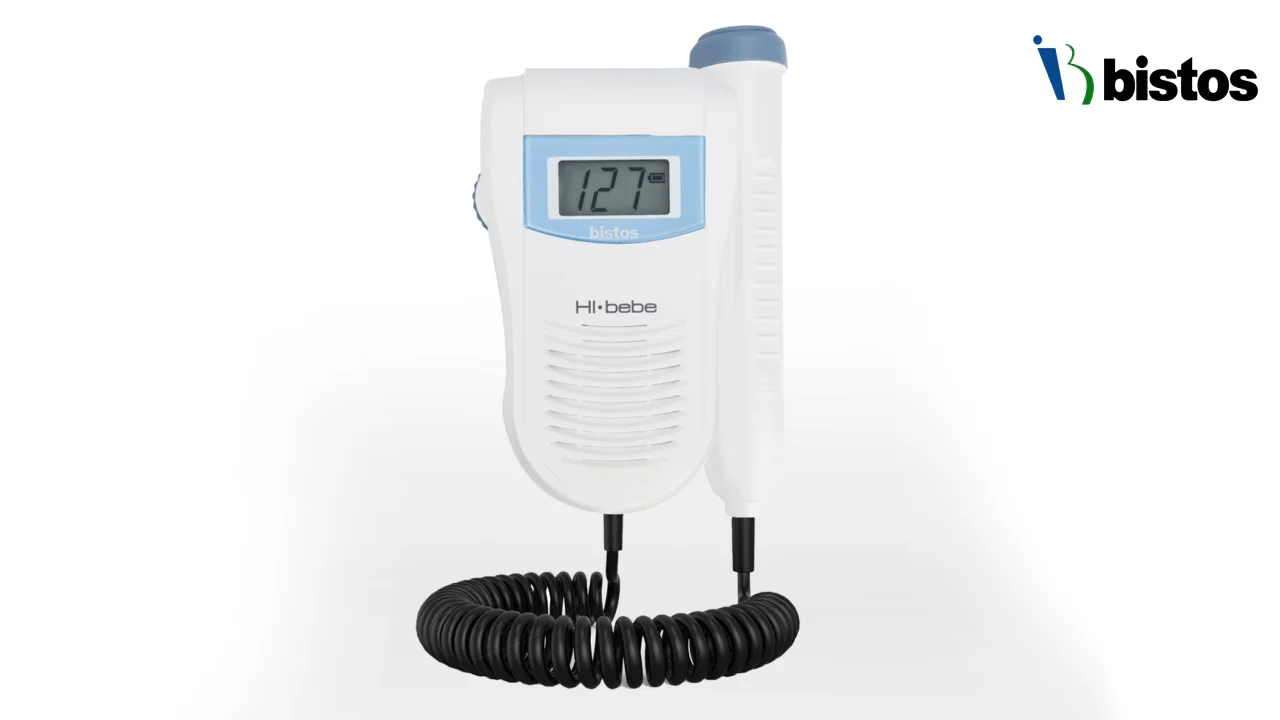

Fetal Dopplers are one of the important devices used in the medical field. These devices enable the assessment of fetal health by listening to the heartbeat of the fetus during pregnancy. Fetal Dopplers are widely used in many areas such as pregnancy monitoring, prenatal care, and prenatal follow-up.
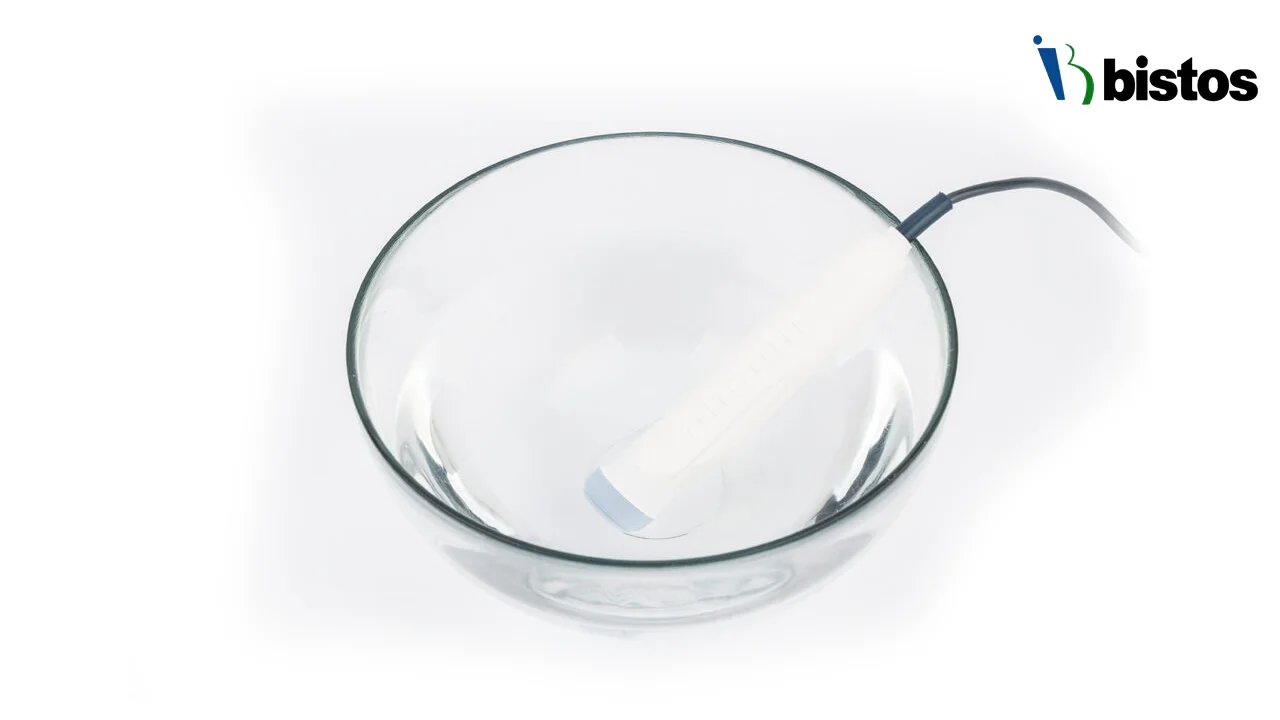
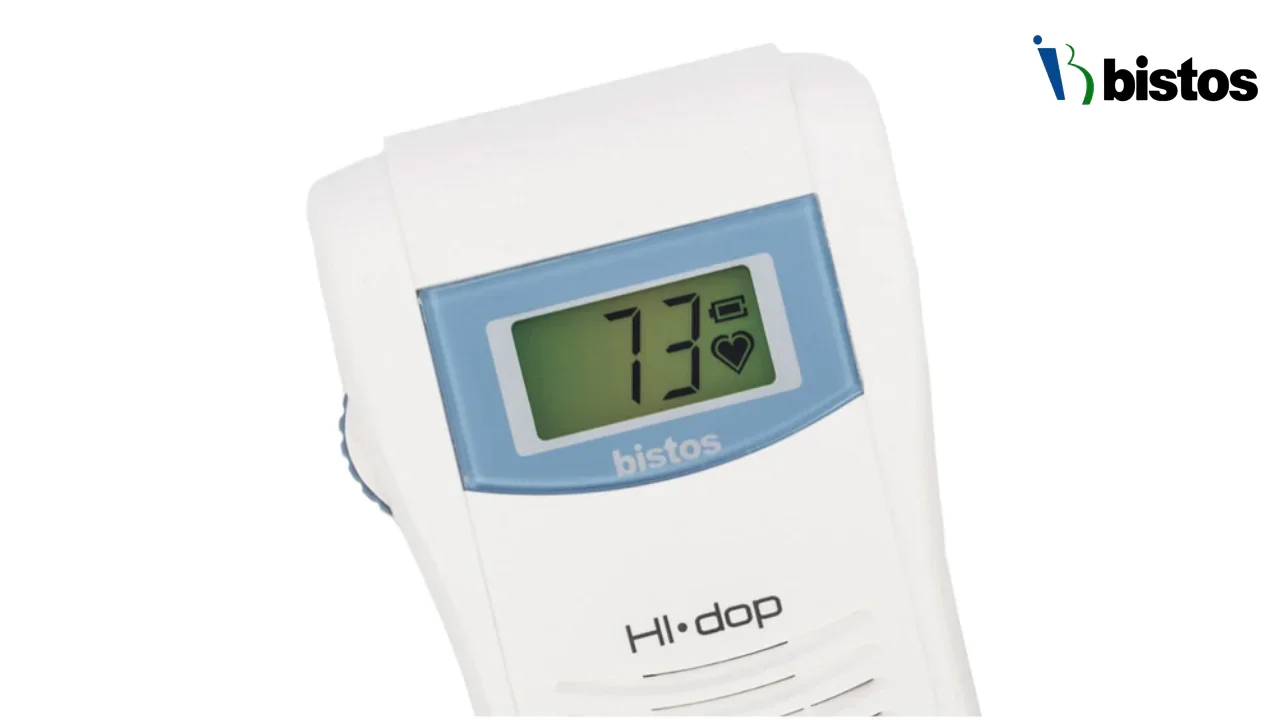
In terms of their working principle, fetal Dopplers detect the fetus's heartbeat using ultrasound waves. A probe attached to the device comes into contact with a gel or oil-like substance applied to the mother's abdomen. This probe emits high-frequency sound waves and detects the returning sound waves. The device then analyzes these sound waves and determines the fetal heartbeat. The heartbeat is usually heard as an audible rhythm or pulse or displayed on the device's screen.
Some technical terms related to fetal Dopplers are:
Doppler Effect: A physical phenomenon caused by a moving source that changes the frequency of sound waves. Fetal Dopplers use the Doppler effect to detect heartbeats.
Sound Frequency: Refers to the frequency of heartbeats and is usually measured as beats per minute.
Fetal Dopplers are one of the important devices used in the medical field. These devices are used during pregnancy.
Heart Rate Assessment: Fetal Dopplers assess the fetus's heart rate to determine whether it is within a normal range. The normal fetal heart rate is generally between 110 and 160 beats per minute.
Fetal Dopplers are used to monitor the health of the fetus during pregnancy. These devices help to regularly monitor the fetus's heartbeat during pregnancy. This allows for early warning so that intervention can be made in case of any abnormality or risk. It also provides reassurance and comfort for the mother during pregnancy.
Fetal Dopplers have a wide range of uses. They are used during routine prenatal checkups, pregnancy monitoring, prenatal monitoring, and high-risk pregnancies. They can also be used to assess fetal movements, monitor placental function, or evaluate amniotic fluid levels.
Translated with DeepL.com (free version)
