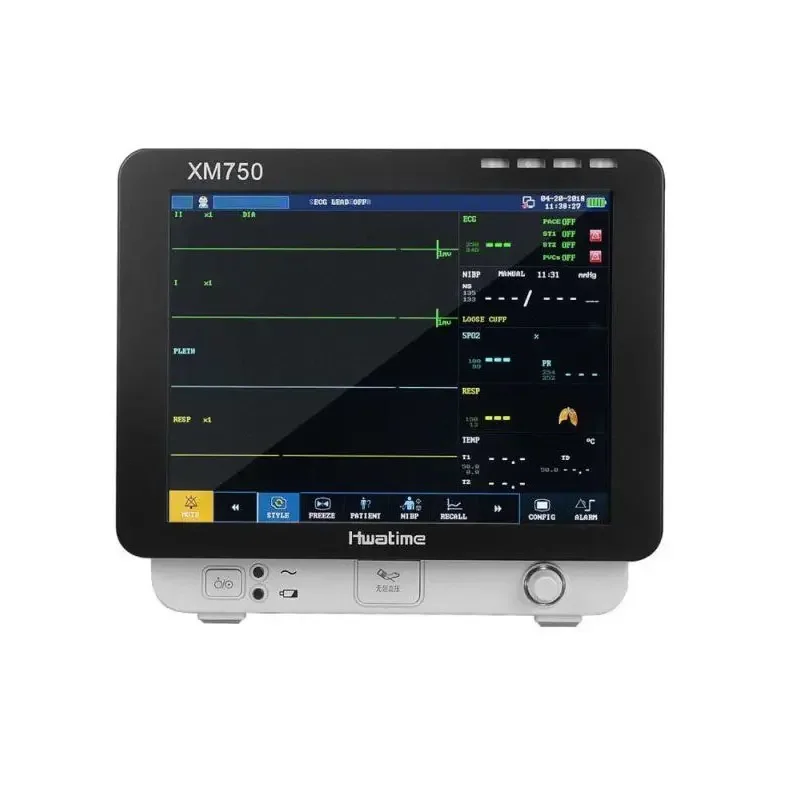

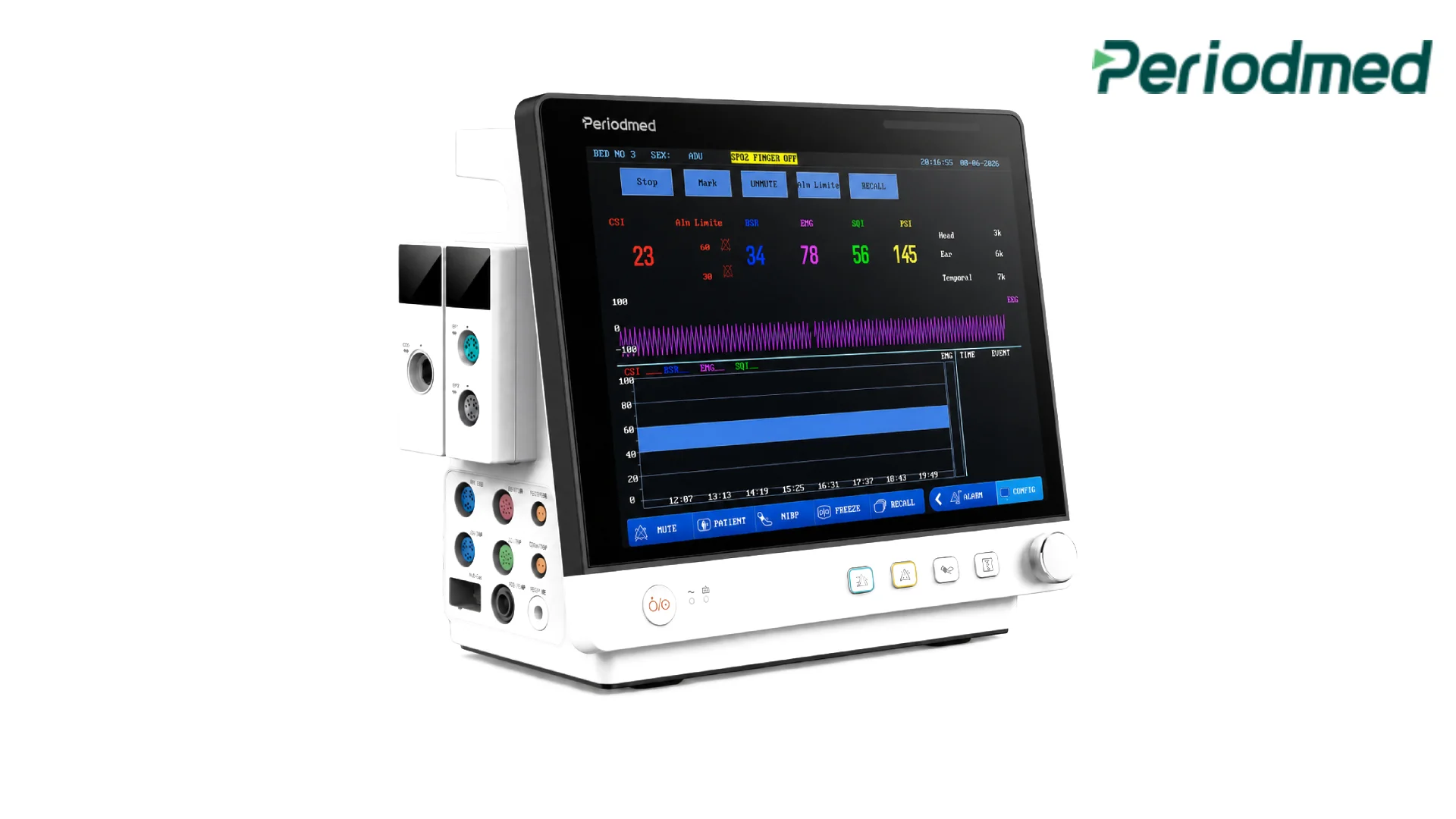

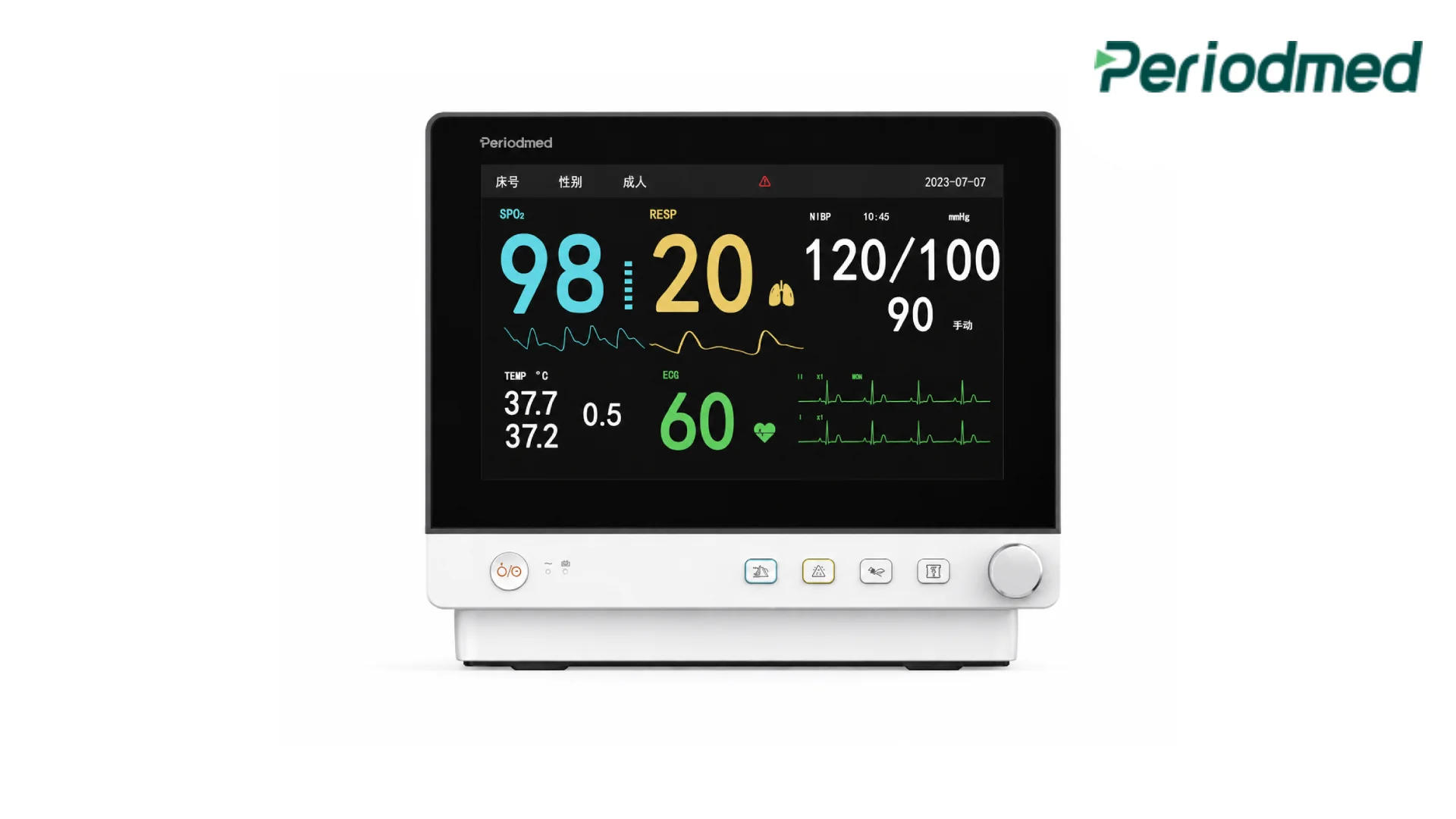
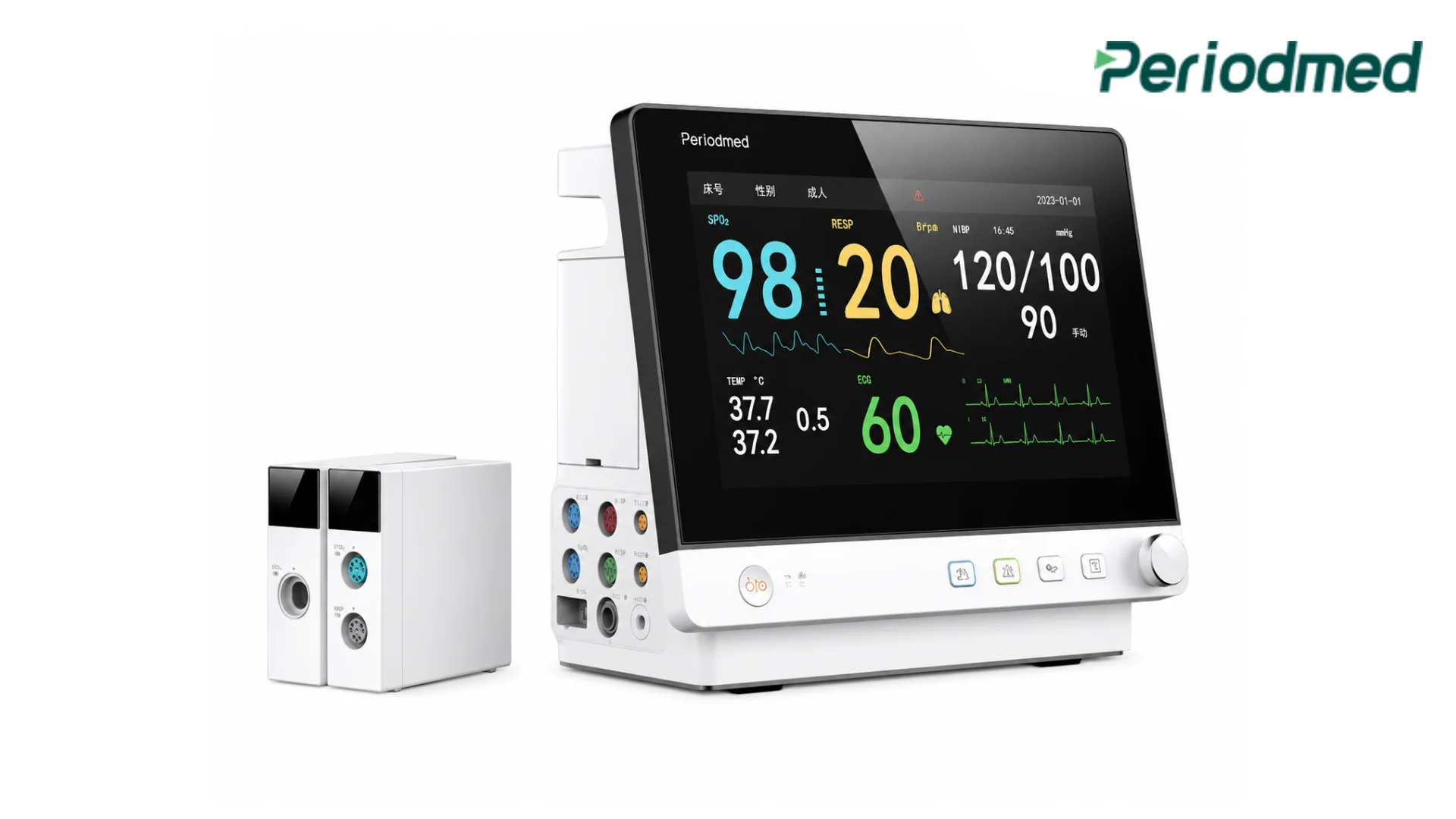
• 12.1-inch color TFT modular patient monitor
• Standard monitoring of ECG, RESP, SpO₂, NIBP, PR and temperature
• Supports BIS / depth of anesthesia monitoring via dedicated module
• Optional EtCO₂ and dual-channel IBP monitoring
• Suitable for adult, pediatric and neonatal patients
• Up to 8 waveform channels, ST analysis and pacemaker detection
• Built-in battery, trend storage and wired/wireless central monitoring connectivity
A depth of anesthesia monitor is an EEG-based medical device used to evaluate the effects of anesthetic drugs on brain activity in patients undergoing general anesthesia. By analyzing electrical brain activity, it helps assess the patient's hypnotic state. Used in operating rooms and appropriate clinical settings, these devices provide anesthesiologists with additional objective information for anesthesia management.
Depth of anesthesia monitors process EEG signals obtained from the patient to support assessment of the hypnotic component of anesthesia. In addition to traditional monitoring parameters such as heart rate, blood pressure, and oxygen saturation, they provide information about brain activity.
Technologies such as BIS (Bispectral Index), PSI (Patient State Index), and other processed EEG methods use different algorithms to generate numerical indicators. When evaluated alongside clinical findings, these indicators may help individualize anesthetic drug administration.
EEG-Based Monitoring: Analyzes electrical brain activity to support assessment of the hypnotic effects of anesthesia.
Real-Time Monitoring: Enables continuous monitoring of EEG signals and calculated parameters throughout anesthesia.
Numerical Anesthesia Indices: Provides numerical indicators that support anesthesia monitoring, depending on the technology used.
EEG Waveforms: Compatible models may display raw EEG signals for more comprehensive evaluation.
Signal Quality Monitoring: May provide indicators related to electrode connections, signal quality, and EMG activity.
User-Friendly Design: Digital displays, intuitive menus, and accessible controls support convenient operation.
Alarm Systems: Depending on the model, audible or visual notifications may indicate parameter limits or technical issues.
Operating Rooms: Monitoring hypnotic effects during general anesthesia.
Cardiovascular Surgery: EEG-based monitoring during complex anesthetic procedures.
Neurosurgery: Supporting anesthesia management during appropriate surgical interventions.
General and Orthopedic Surgery: Anesthesia monitoring during surgical procedures.
Intensive Care Units: Supporting sedation assessment in suitable patients.
Depth of anesthesia monitors provide anesthesiologists with additional information about brain activity, supporting clinical decision-making. In appropriate patients, they may help individualize anesthetic drug doses and assess excessive or insufficient hypnotic effects.
EEG-based monitoring may also contribute to assessing the risk of intraoperative awareness in selected patient populations. However, depth of anesthesia monitors do not directly measure pain, adequacy of analgesia, or neuromuscular blockade, and cannot independently guarantee the prevention of awareness.
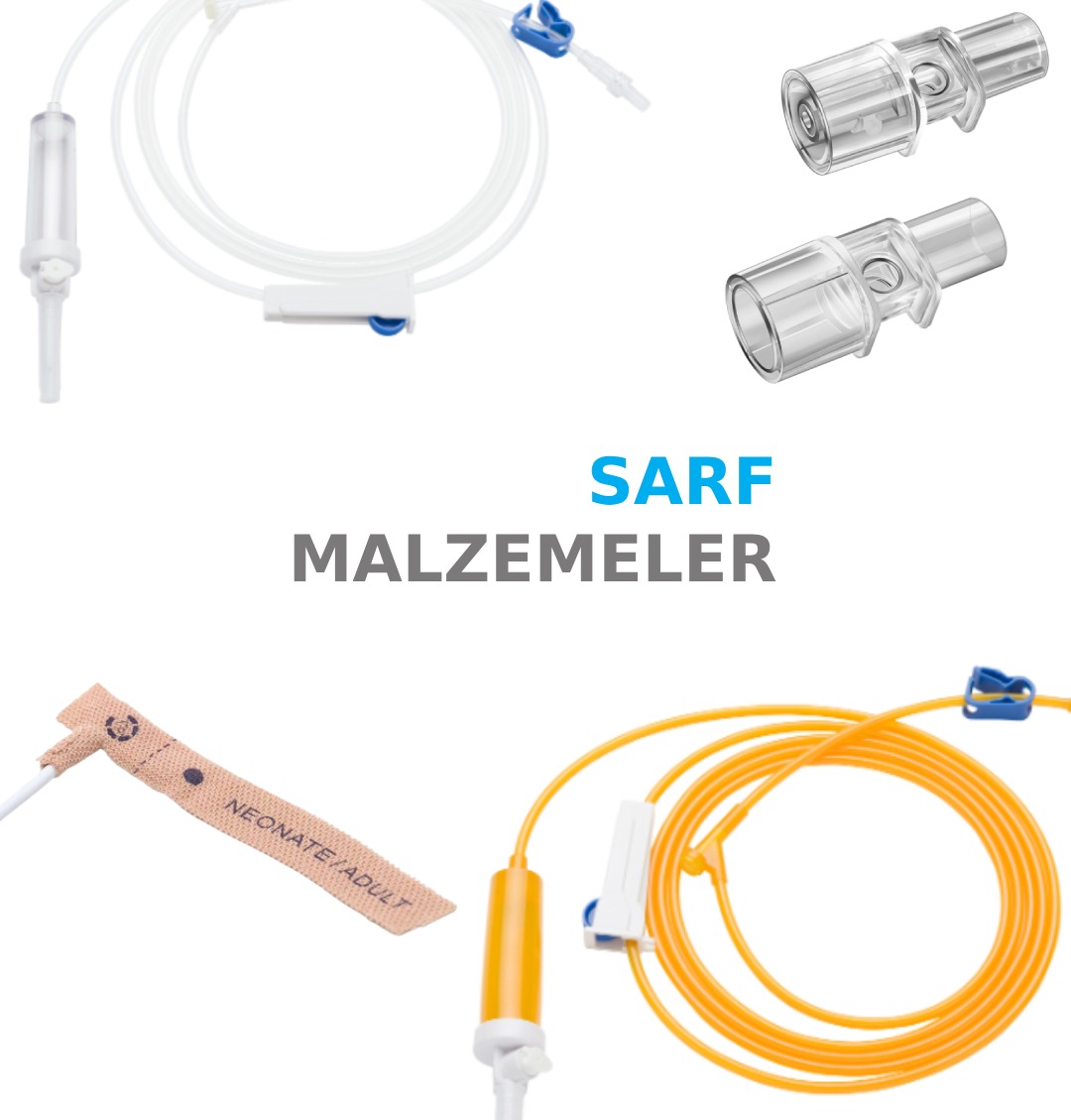
Important selection criteria include EEG analysis technology, measured parameters, display specifications, sensor compatibility, alarm functions, and the intended patient population. Technical support, availability of consumables, and compliance with applicable medical device regulations should also be considered.
Selecting the appropriate device and interpreting monitoring results alongside clinical findings support reliable and effective anesthesia management.
